
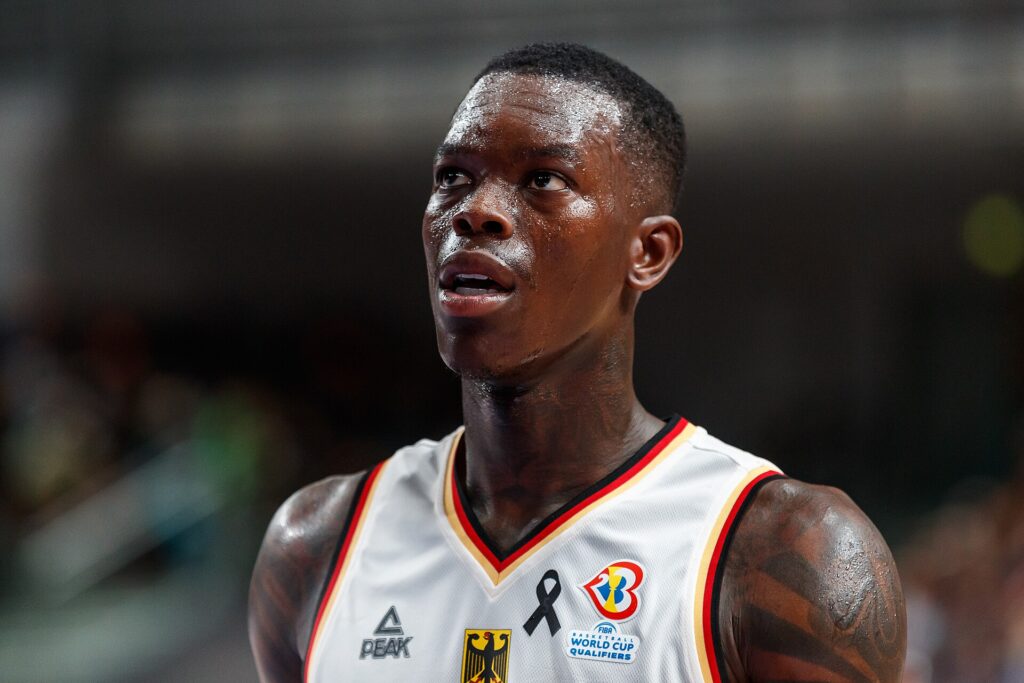
How to Box Out for a Rebound
Boxing out for a rebound means putting your body between an opponent and the ball after a shot goes up. It sounds simple, but it is one of the most reliable ways to separate players who understand winning basketball from players who only react to the ball in the air. Rebounding is not just about jumping high. It begins earlier than that. The best rebounders often win the space before the ball even comes off the rim.
This is why coaches get frustrated when players watch the shot instead of finding a man. A missed shot creates a brief scramble, and the instinct is to stare upward and chase it. Good box-out technique flips that instinct. Before you pursue the ball, you first make sure the opponent cannot run through your body and take the easiest path to it. The rebound is often won at the point of contact, not at the point of the catch.
Start With Contact, Not With a Leap
The first step in boxing out is recognition. As soon as a shot goes up, your job changes. If you are on defense, you should locate the nearest threat and make contact quickly. Not violently, and not with an illegal shove, but firmly enough to let the opponent know the direct route is gone. Players who wait until the ball hits the rim are usually too late because the attacker already has momentum.
That contact should come from the lower body and hips more than the arms. Young players often reach backward with their hands and think that counts as boxing out. It does not. Strong rebounders lower their center of gravity, widen their base, and absorb the opponent with their body. The arms are there to feel and balance, not to wrap, grab, or hold.
Turn, Seal, and Hold Your Ground
A proper box out usually follows a simple sequence. First, turn and find the opponent. Second, step into his path and make legal contact. Third, seal the lane to the ball. That final part matters because touching the player is not enough if he can still slip around your side. You want your chest facing the likely rebound path while your back or hip blocks the opponent’s direct angle.
Think of it as building a small wall that lasts for a second or two. You do not need to dominate the opponent physically. You only need to delay him, redirect him, or make him jump from a worse spot. A good box out turns a clean run at the rebound into an off-balance contest. That tiny disadvantage is often all you need.
Balance Beats Pure Strength
People sometimes imagine boxing out as a heavyweight battle under the rim, but the better word is leverage. A player with sound balance can box out a stronger opponent by getting low, staying wide, and keeping the contact on the hips instead of the shoulders. If your stance is too upright, you become easy to move. If your feet are too narrow, one bump can open the lane.
This is why smaller players can still rebound well. They may not control the entire paint, but they can win the first angle. If they arrive early, establish contact, and force the taller player to rebound over or around them, they have already improved the odds for their team. Team rebounding is full of these moments where technique reduces the value of size.
Do Not Box Out and Then Forget the Ball
One common mistake is treating the box out as the finish instead of the setup. A player does the hard part by sealing his man, then never actually goes after the rebound. The opponent may still tip it, or another player may fly in from the weak side. The best rebounders box out and then pursue the ball with purpose once the path is controlled.
That means keeping your hands ready and your eyes active. You should feel the opponent with your body while tracking the carom. Some rebounds drop softly in front. Others bounce long to the elbows or wings. Good technique gives you first access, but reading the bounce completes the play. If you win the contact and lose the ball, the possession is still not secure.
Different Rebounds Require Different Adjustments
Not every miss comes off the rim the same way. A three-point miss often produces a longer rebound than a short paint attempt. A corner shot can kick differently from a free throw. Smart players adjust their box out according to the shot location. If the miss is likely to bounce long, the seal may need to happen a step farther from the basket. If the shot is in traffic, the contact might be tighter and more vertical.
This is where anticipation becomes part of rebounding. Great rebounders are not merely reacting after the fact. They are reading the shot type, the angle, the spin, and where the biggest threat is coming from. The box out is still the base, but awareness sharpens it into something more effective than a generic shove under the rim.
The Most Common Mistakes
The first mistake is ball-watching. The second is trying to jump before securing position. The third is using the arms too much and committing a foul. Another common error is boxing out only the obvious player while ignoring the weak-side crash. Many offensive rebounds happen because a defender handled his own matchup but forgot that the play had not stopped there.
There is also a softer mistake that coaches notice immediately: making contact without intent. Some players brush an opponent and assume the job is done. Real boxing out is more deliberate than that. It says, this space is taken, and if you want to get through it you will have to earn it from a worse angle. Anything less is decoration, not technique.
Why Guards Need This Skill Too
Boxing out is not only for centers and power forwards. Guards often determine whether a defense finishes the stop. Long rebounds regularly fall near the free-throw line, the elbows, and the wings, where guards must hold off runners and secure the ball. A team with big men who box out but guards who do not engage will still leak possessions.
Guard rebounding also helps transition offense. When the guard boxes out, collects the ball, and can dribble immediately, the team saves a pass and starts the break faster. That is why coaches love backcourt players who rebound with discipline. They make the game simpler for everyone else.
How to Practice Boxing Out Properly
The best drills isolate the sequence: locate, contact, seal, pursue. Players should practice turning on the shot, finding the body first, and then chasing the rebound only after position is secured. Short, repetitive drills work well because boxing out is less about creativity than about habit. You want the reaction to become automatic.
Film helps too. Players often believe they are boxing out when they are really just standing near someone. Watching the clip usually makes the truth obvious. Either the hips controlled the path or they did not. Either the opponent was redirected or he ran straight through. Rebounding has a way of exposing honesty.
The Real Goal of a Box Out
Learning how to box out for a rebound is really about understanding possession value. The defense has done most of the work when it forces a miss. Failing to rebound throws that work away. A proper box out closes the play. It turns a good defensive sequence into an actual stop and gives your team the right to go the other direction.
In plain terms, box out by finding your man as the shot goes up, stepping into his path, lowering your base, sealing him away from the best rebounding line, and then finishing the play by securing the ball. It is not glamorous, but it is one of the cleanest examples of winning basketball: simple technique, repeated with discipline, producing extra possessions over and over again.
Image credit: Steffen Prößdorf / Wikimedia Commons (CC BY-SA 4.0)