
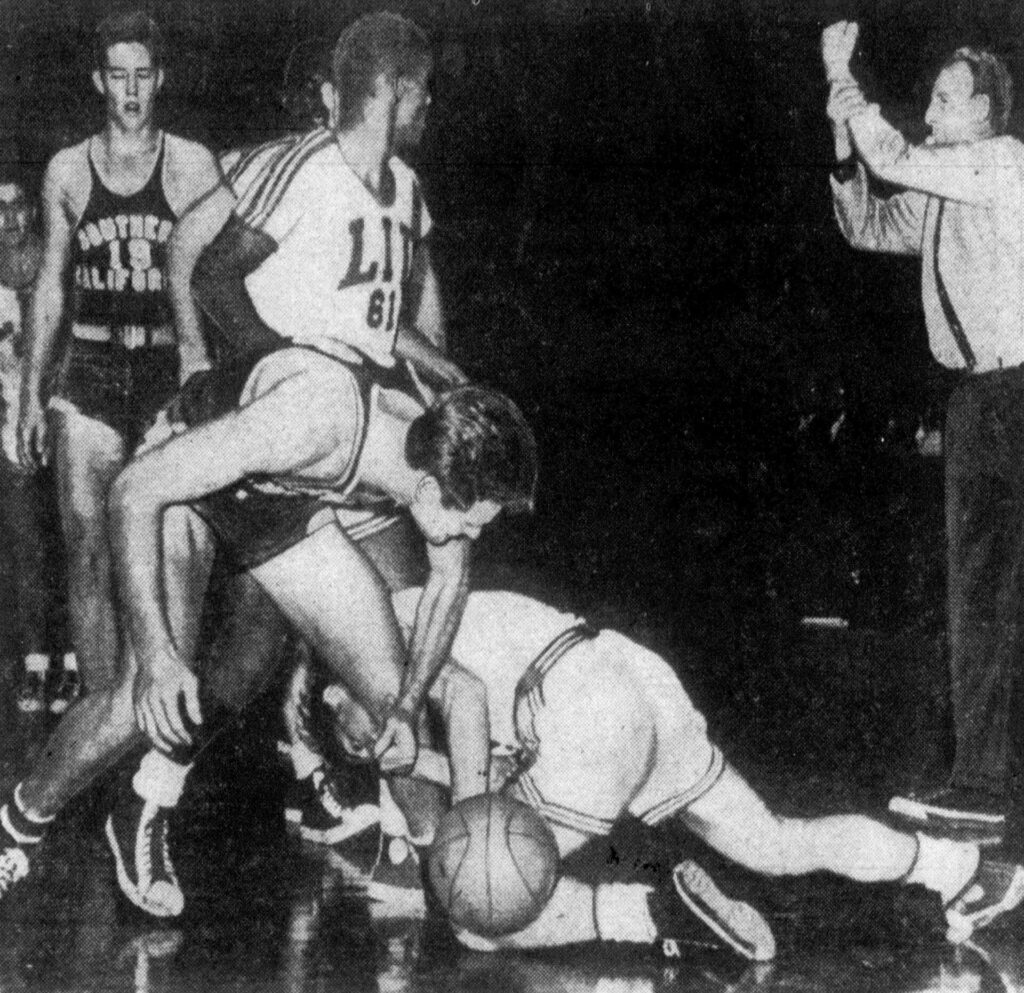
What Does Travelling Mean in Basketball?
Travelling in basketball means a player moved illegally with the ball without dribbling it properly. That is the shortest definition, but it also creates confusion because fans often use the word for any awkward foot movement they do not like. The actual violation is more specific. A player is allowed to move with the ball only inside certain limits. Once those limits are broken, the referee can call travelling and give possession to the other team.
The reason this rule matters is simple. Basketball would become impossible to defend if attackers could just pick the ball up and keep stepping until they found an easy layup or a better passing angle. Travelling protects the balance of the game. It forces players to dribble, gather, stop, pivot, and finish within a framework that defenders can at least attempt to read. Without that structure, ball-handling would turn into a running contest with occasional shots attached.
The Basic Idea Behind the Violation
If a player is holding the ball and takes too many steps without dribbling, that is the version most people recognize. At youth level, this often looks obvious. A player catches the ball, gets excited, and takes three or four steps toward the basket before the dribble starts. At higher levels, the question becomes more subtle because the timing of the gather, the placement of the pivot foot, and the moment the dribble ends all matter.
That is why two plays can look similar and be judged differently. One player may catch the ball, establish a legal pivot foot, and rotate cleanly to pass. Another may lift that pivot foot before releasing the ball and commit travelling. One guard may complete the gather before the first step, making the sequence legal. Another may already be in control of the ball when those same steps begin, which turns the move into a violation. The details matter more than the drama of the movement.
The Pivot Foot Is Usually the Key
If you want to understand travelling properly, start with the pivot foot. When a player receives the ball while standing still, one foot typically becomes the reference point. That foot can stay planted while the player turns, fakes, protects the ball, or looks for a pass. The other foot can move. The problem starts when the pivot foot slides, lifts too early, or returns to the floor before the ball is released on a pass or shot.
This is where many beginners get caught. They learn that pivoting is allowed, but they do not yet have the balance to separate a legal turn from a small hop or drag. A clean pivot keeps control and timing together. A bad pivot usually happens when a player makes the decision a fraction late and the feet try to rescue the upper body. Referees watch for that sequence closely because illegal footwork often begins before the hands do anything obviously wrong.
Why the Gather Step Causes Arguments
Modern basketball arguments around travelling usually come back to the gather. The gather is the moment a player brings the ball under control before taking the steps that lead into a shot, pass, or stop. Fans often count from the first touch they notice, but referees focus on when control is actually established. That difference explains why a move may look like three steps in real time yet still be legal.
This is why certain drives by skilled guards create so much debate. A player may still be ending the dribble while taking what the crowd thinks is the first step. Once the gather is complete, the legal step count begins. If you miss that distinction, legal moves will look suspicious and illegal ones will look ordinary.
Travelling Is Not the Same as a Carry
People often mix travelling with carrying or palming, but they are not the same violation. Travelling is about illegal movement with the ball while not dribbling legally. Carrying is about the hand getting too far under the ball during the dribble, effectively turning the dribble into a moment of support instead of a bounce. They can appear in the same general family of loose ball-handling, but the referee is looking for different things.
That distinction matters because it changes what players must correct. If the issue is travelling, the fix may be footwork, timing, and knowing when the dribble has ended. If the issue is carrying, the fix is in the hand position and rhythm of the dribble itself. Calling everything travelling hides the real mechanics of the mistake.
Common Situations Where Travelling Happens
The most common travelling calls happen on drives, post moves, jump stops, and catches under pressure. On drives, a player may gather too early and then take an extra step. In the post, a player may spin and forget that the pivot foot has to stay honest. On a jump stop, the player may land unevenly and then move both feet in a way the rules do not allow. On the perimeter, a nervous player may catch, hesitate, and slide the feet before deciding whether to pass or shoot.
There is also the travel born from indecision. Basketball rewards quick, clear movement. When a player is unsure, the feet often reveal the uncertainty first. He catches and pauses, half-drives and half-pivots, then tries to recover with one extra step. That is why coaches put so much emphasis on footwork drills. Clean feet usually reflect a clear mind.
Why Some Players Rarely Get Called
Elite players are not just quicker or more talented. They understand rhythm. They know how to arrive on balance, when to end the dribble, and how to make complex moves look smooth enough that every piece stays within the rule. Great footwork looks effortless because nothing is wasted. Creativity is not the enemy of good footwork. The move only becomes travelling when control disappears or the sequence breaks the rule.
What Referees Are Really Watching
Referees are not counting steps in the abstract. They are judging a sequence: when the dribble ended, when control was established, which foot became the pivot, whether that foot moved illegally, and whether the ball was released in time. It sounds technical because it is technical. Basketball happens too fast for a whistle to depend only on a vague sense that the feet looked busy.
At the same time, officials also use feel. A move that disrupts the fair order of the play often attracts attention even before every detail is consciously sorted. That is why clumsy, exaggerated, or off-balance extra steps get called more often than tiny borderline movements. The official sees the advantage created by the illegal action, not just the action itself.
Why Travelling Is Taught Early
Coaches teach the travelling rule early because it shapes almost every offensive skill. Shooting off the catch, attacking closeouts, posting up, making outlet passes, and finishing in traffic all depend on controlled feet. If a player learns to dribble well but never learns to stop or pivot legally, the rest of the game stays unstable. Good footwork is the hidden frame that keeps flashy skills from falling apart.
This is especially true for younger players who grow quickly or change positions. A taller player may suddenly handle the ball more often. A smaller player may need better stop-start control in traffic. In both cases, travelling calls are often less about laziness than about adjusting to a new body and pace. Repetition usually solves that faster than sideline shouting.
The Meaning in Plain Language
So what does travelling mean in basketball? It means a player moved with the ball in a way the rules do not allow, usually by taking extra steps, moving the pivot foot illegally, or ending the dribble without respecting the footwork that follows. The spirit of the rule is not to punish creativity. It is to make sure movement with the ball stays fair and readable.
If you want the easiest way to recognize it, watch the feet after the player gains control. Ask whether the dribble has already ended, whether a pivot foot has been established, and whether the next steps were legal. Once you see the game that way, travelling stops feeling like a random whistle and starts looking like what it really is: a footwork error that gave the ball-handler more freedom than the rules permit.

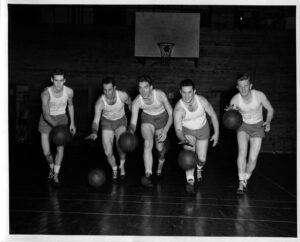
Image credit: Unknown / Wikimedia Commons (Public domain)