
What Does a Sack Mean in American Football?
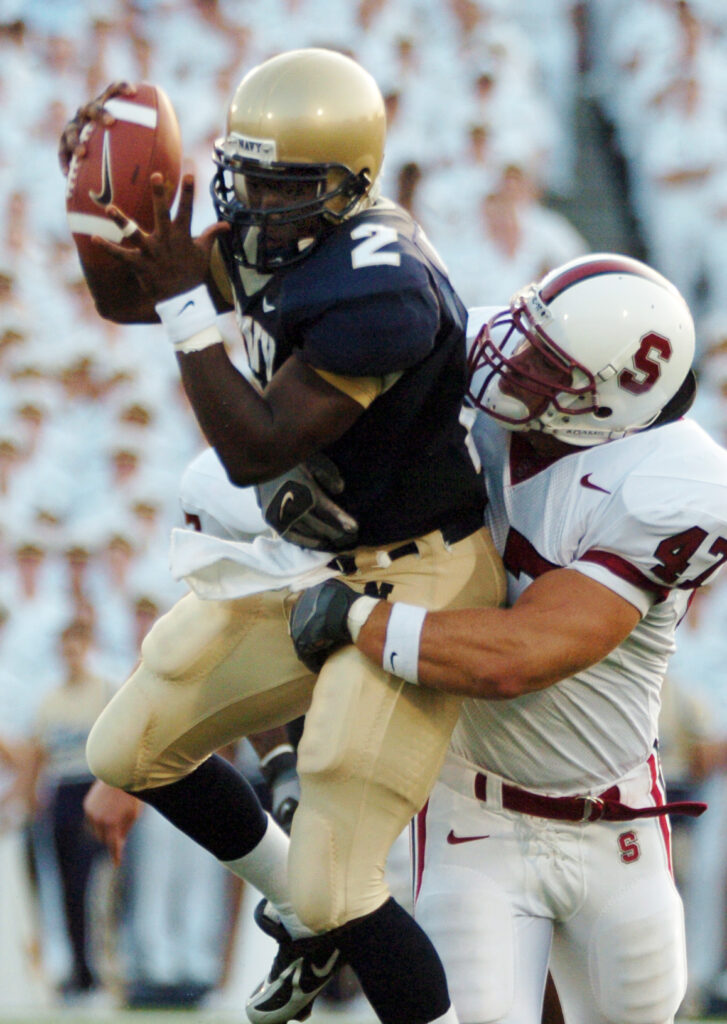
A sack happens when the defense tackles the quarterback behind the line of scrimmage on a passing play before he can throw the ball. That is the clean definition, but it does not fully explain why sacks matter so much. A sack is not just a tackle in the wrong place for the offense. It is one of the few defensive plays that can wreck an entire drive in a single snap. It costs yards, changes down and distance, disrupts rhythm, and often forces the offense into a more predictable situation on the next play.
Because the quarterback is the center of nearly everything in modern football, a sack feels bigger than an ordinary loss. It usually means the protection broke down, the quarterback held the ball too long, or the defense disguised pressure well enough to beat the play before it developed. Fans see the collision at the end, but the real story begins earlier: in the coverage, in the pass rush lane, and in how quickly the quarterback recognized what was happening around him.
A Sack Only Applies on a Passing Play
This part is important because not every tackle behind the line counts as a sack. If the offense calls a running play and the ball carrier is dropped in the backfield, that is a tackle for loss, not a sack. If the quarterback scrambles and is tackled behind the line after the play has clearly become a run, that may also be recorded differently. The official scoring depends on whether the play is judged to have been a designed pass and whether the quarterback was still acting as a passer.
That distinction matters because sacks are meant to measure a defense’s effect on the passing game. They tell us something about pass rush and protection, not merely backfield chaos in general. So while a sack ends with a defender dragging down the quarterback, the stat belongs to a larger question: could the offense protect the pocket long enough for the play to function as intended?
Why Sacks Hurt More Than the Lost Yards Suggest
Suppose a quarterback gets sacked for seven yards on first down. The offense is no longer just facing second and long. It is also dealing with a play that may have knocked it off schedule. Many offensive systems are built around manageable distances where both run and pass remain believable options. A sack pushes the offense toward obvious passing situations, and obvious passing situations help the defense rush more aggressively. That is why one sack often makes the next snap harder too.
Sacks also affect clock, field position, and confidence. Late in games, they can force punts, take teams out of field-goal range, or burn valuable seconds. Over the course of a season, they expose offensive lines, limit deep passing concepts, and make coordinators more conservative. A sack is not always a turnover, but it behaves like a momentum swing because it makes the offense feel smaller and the defense feel faster.
Not Every Sack Is Really the Offensive Line’s Fault
Fans often blame the line immediately, but sacks are shared events. Sometimes the protection genuinely collapses in two seconds and the quarterback has no chance. Sometimes the quarterback drifts too deep, fails to identify the blitz, or hesitates on a read that should have been thrown earlier. Sometimes the receivers cannot separate and the defense covers the concept cleanly, leaving the quarterback waiting for a window that never appears.
This is why sack totals need interpretation. A quarterback who takes many sacks is not always behind a terrible line, and a line that allows sacks is not always blocking badly on every one of them. Pocket management matters. Quarterbacks with quick recognition and disciplined footwork often reduce pressure even when the protection is imperfect. Others invite sacks by hunting big plays too long or escaping laterally into defenders.
The Best Pass Rushers Create Pressure Before They Create Highlights
A sack is the visible reward, but it grows out of consistent pressure. Edge rushers win with get-off, bend, hand usage, leverage, and the intelligence to read the set of the tackle. Interior defenders collapse the pocket by driving guards backward or exploiting communication mistakes. Blitzers arrive clean when the offense slides protection the wrong way or the defense disguises the extra rusher until the last moment. By the time the sack happens, the defense has usually won several tiny battles first.
This matters because sack numbers alone can be deceptive. A defender may record fewer sacks than a teammate while still being the more disruptive player if he constantly forces hurried throws, flushes the quarterback, or commands double teams. The best pass rush is often felt even on snaps that end without a tackle. A sack is simply the pressure play that reached its most damaging conclusion.
Coverage and Sacks Are Connected
One of the oldest arguments in football is whether sacks are mostly about pass rush or pass coverage. The honest answer is that they depend on both. A fierce rush can beat the protection before the receivers finish their routes. Tight coverage can make the quarterback hitch, reset, and hold the ball just long enough for the rush to arrive. Defenses love when those two elements work together, because then the quarterback feels trapped even before anyone touches him.
That is why some teams can improve their sack totals without adding a superstar edge rusher. Better coverage on the back end creates more time for an ordinary rush to get home. The reverse is true too. A dominant front can make the secondary look better because the ball has to come out faster. When people ask what a sack means, the answer is not just that the quarterback got tackled. It often means the defense won the snap in layers.
Half-Sacks, Strip Sacks, and the Plays People Remember
When two defenders share the takedown, the play is often scored as a half-sack for each player. That bookkeeping may sound minor, but it reflects how collaborative pass rush can be. One defender forces the quarterback to step up, another closes the exit, and together they finish the play. The stat sheet splits the credit because the pressure path was shared.
The most dramatic version is the strip sack, when the defender knocks the ball loose while sacking the quarterback. Those are devastating because they combine lost yardage with turnover risk. Coaches preach ball security in the pocket for exactly this reason. A normal sack is damaging. A strip sack can flip an entire game in one violent second.
What Sack Totals Really Tell You
Over time, sack numbers reveal something about both teams involved. High sack totals for a defense suggest disruptive pressure, strong coverage support, or both. High sacks allowed by an offense can point to weak protection, shaky quarterback processing, poor receiver separation, or a scheme that demands long-developing routes. The number is useful, but like most football stats it needs context.
A team that allows very few sacks is not automatically explosive. It may simply throw quickly. A defense with modest sack totals may still be excellent if it creates pressure that forces bad decisions before the rush gets home. Still, sacks remain important because they are drive-killers that show up directly on the field, not just in hidden efficiencies. They change the geometry of the next play immediately.
A Sack Is the Defense Forcing the Offense Backward
The best simple explanation is this: a sack means the defense beat the pass before the pass could happen. The quarterback was still trying to operate as a passer, and the defenders ended the play behind the line of scrimmage. Everything else about sacks flows from that idea. The offense loses space, time, and freedom. The defense gains leverage, confidence, and often control of the series.
That is why sacks are celebrated so loudly. They are physical, obvious, and emotionally contagious, but they also carry tactical weight. A good sack says more than “great effort.” It says the defense understood the down, won the matchup, and collapsed the plan before the offense could reveal its answer. In a sport built on inches and timing, forcing the quarterback backward is one of the clearest ways to seize a drive.
📚 From the Blog

Image credit: Damon J. Moritz / Wikimedia Commons (Public domain)