
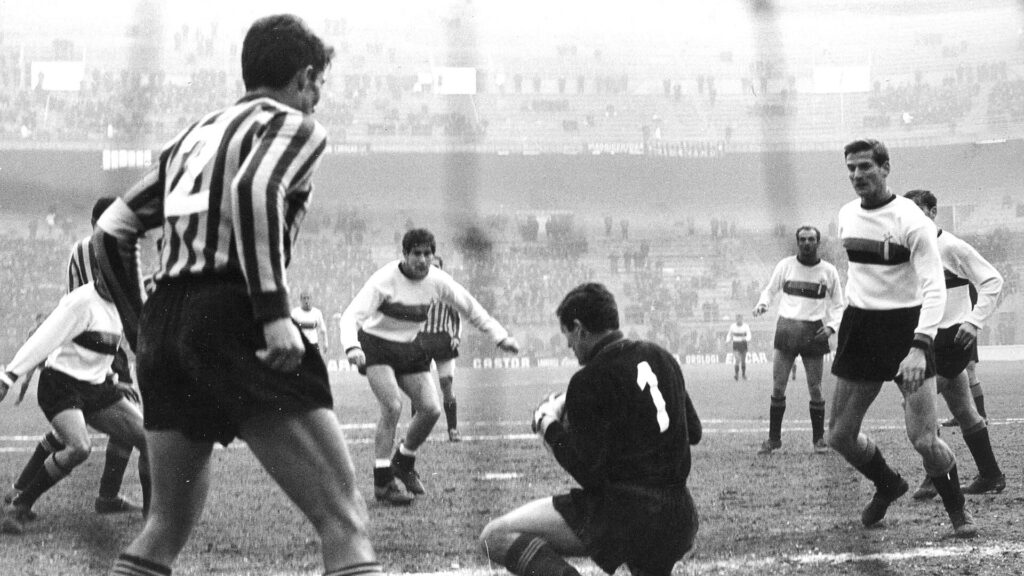
What Does a Clean Sheet Mean in Football?
A clean sheet in football means a team finishes the match without conceding a goal. It is a simple phrase for something that is rarely simple to achieve. The scoreboard might show only a neat zero next to one side’s name, but that zero is usually the product of dozens of small defensive actions: the full back who blocks the cross before it forms, the center midfielder who tracks a late runner, the goalkeeper who holds rather than spills, the center back who wins the second ball instead of admiring the first clearance. A clean sheet looks tidy on paper because the mess was handled properly on the pitch.
People often talk about clean sheets as if they belong mainly to goalkeepers, and goalkeepers certainly feel them personally because shutouts shape careers, reputations, and end-of-season awards. But the phrase describes a team outcome. A keeper may make five outstanding saves and still lose his clean sheet to a poor set-piece routine. Another may have almost nothing to do because the back line controls the game so well that shots never become dangerous. That contrast is useful. A clean sheet is not a measure of how busy a goalkeeper was. It is a measure of whether the opposition found a way through at all.
Why the Term Matters Beyond the Scoreline
Supporters love goals because goals decide matches, yet coaches spend just as much time obsessing over what prevents them. A clean sheet matters because it guarantees at least a point and gives a team a platform to win. If you do not concede, one good move, one set piece, or one long-range strike can be enough to take the game. This is why managers going through difficult spells often begin by repairing the defense before trying to create a spectacular attack. They know the fastest route back to stability is making the team harder to beat.
That logic is especially clear in league football. Over a long season, teams that keep regular clean sheets do not need to be brilliant every week. They can survive flatter performances, injuries, and awkward away matches because their defensive floor is high. A side that always needs to score two or three to win is living dangerously. A side that frequently keeps opponents at zero can collect points even on imperfect afternoons.
How a Clean Sheet Is Built
There is a temptation to imagine clean sheets as heroic defending, but many of them begin with control rather than last-ditch desperation. A disciplined press stops passes into dangerous areas. Good spacing between midfield and defense denies room between the lines. Wide players track runners so full backs are not overloaded. Center backs stay connected instead of stepping out at different moments. When all of that works, the goalkeeper sees shots from bad angles or long distances instead of close-range chances from the middle of the box.
Transitions are usually where clean sheets crack. A team attacks with too many bodies, loses the ball, and suddenly has to defend open grass with players facing their own goal. That is why smart teams keep an eye on rest defense even while pushing forward. The public sees the chance that was almost created. Coaches notice the positions that would matter if the move breaks down. Many clean sheets are saved before the defending officially begins because someone thought ahead about balance.
Set pieces are another major threat. A team can dominate the run of play and still ruin a clean sheet with one missed header at a corner or one clumsy foul near the box. Defensive concentration often drops in these moments because everyone knows the danger yet assumes somebody else will deal with it. The teams that protect shutouts consistently tend to be the ones that treat routine actions seriously. They clear lines, attack first contacts, mark aggressively, and react quickly to second balls.
What a Clean Sheet Does Not Mean
A clean sheet does not automatically mean the defending side played well. Sometimes it means the opposition were wasteful. A striker misses from six yards, a cutback goes behind the runner, or a dangerous cross somehow travels through the box untouched. The result still counts as a clean sheet, but the performance may carry warning signs. That distinction matters if you are trying to judge form honestly. A team can keep two straight clean sheets and still look vulnerable if it keeps allowing high-quality chances.
It also does not mean the game was dull. Some of the best defensive displays are intense, physical, and tactically rich. There is a difference between a lifeless 0-0 and a match where one side defends with intelligence, courage, and coordination. The phrase clean sheet sometimes gets framed as the enemy of entertainment, yet watching a defense read danger properly can be just as revealing as watching a forward line combine at speed.
The Goalkeeper’s Relationship With the Stat
Even though clean sheets are a team achievement, goalkeepers live with them as a public shorthand for reliability. Fans remember who kept the score untouched. Broadcasters list the season totals. Contracts and awards often reflect those numbers. That can be unfair in both directions. A great keeper behind a chaotic defense may post fewer clean sheets than a decent keeper behind an elite structure. On the other hand, the goalkeeper still has to produce decisive moments because a clean sheet often hangs on one save that changes the story of the match.
The best goalkeepers protect clean sheets not only with reflexes but with judgment. They know when to catch rather than punch, when to slow the game, when to hold their position, and when to sweep outside the area before a through ball becomes a shot. Their value is not limited to highlight saves. Often it lies in making the next problem disappear before everyone else notices it fully developing.
Reading a Team Through Its Clean Sheets
If you want to understand whether a team’s defensive record is sustainable, look beyond the raw count. Ask how the clean sheets were earned. Did the team suppress shots in central areas? Did it protect the space in front of the center backs? Did it defend crosses cleanly? Was the goalkeeper bailing out repeated structural mistakes, or was he benefiting from a compact team in front of him? These questions matter because not all zeros on the scoreboard are created equally.
Style plays a role too. Some teams keep clean sheets by monopolizing possession and starving opponents of the ball. Others sit deeper, defend the box, and invite crosses they believe they can handle. Neither approach is automatically superior. What matters is internal coherence. A high line without pressure on the ball is risky. A low block that fails to protect the edge of the area can get slowly picked apart. A clean sheet becomes likely when the team’s chosen defensive idea fits the personnel on the pitch.
Why Players Celebrate Them
Attackers celebrate goals because goals are visible. Defenders celebrate clean sheets because they recognize the unseen labor underneath them. A winger recovering twenty yards to delay a counterattack may never appear in the highlight package, but defenders and coaches remember it. So does the teammate who takes a knock clearing a cross in stoppage time. When you see center backs and goalkeepers greeting each other after a 1-0 win, they are not congratulating themselves for avoiding drama. They are acknowledging that they kept their concentration when one lapse would have erased the work of the entire afternoon.
That is also why losing a clean sheet late hurts so much. Conceding in the eighty-eighth minute does not just change the statistics. It changes the emotional reading of everything that came before it. A defense can handle pressure for most of the match and still walk away feeling it failed because football is merciless with final outcomes. The clean sheet is an all-or-nothing reward.
The Best Way to Understand the Phrase
So what does a clean sheet mean in football? Officially, it means a team conceded no goals. In a deeper sense, it means the team defended the match well enough, or at least fortunately enough, to keep the opposition from scoring. It can reflect organization, resilience, game management, and smart positioning just as much as dramatic saves. It tells you something important about control, but only if you read it alongside the performance itself.
The phrase survives because it captures one of football’s clearest truths: winning is easier when your goal remains untouched. Whether the clean sheet is earned through dominant defending, careful possession, or stubborn resistance, it gives structure to the game and confidence to the team. That is why coaches chase them, defenders protect them, and supporters learn to value them long before the final whistle confirms the zero will stay in place.
📚 From the Blog



Image credit: LaPresse / Wikimedia Commons (Public domain)