
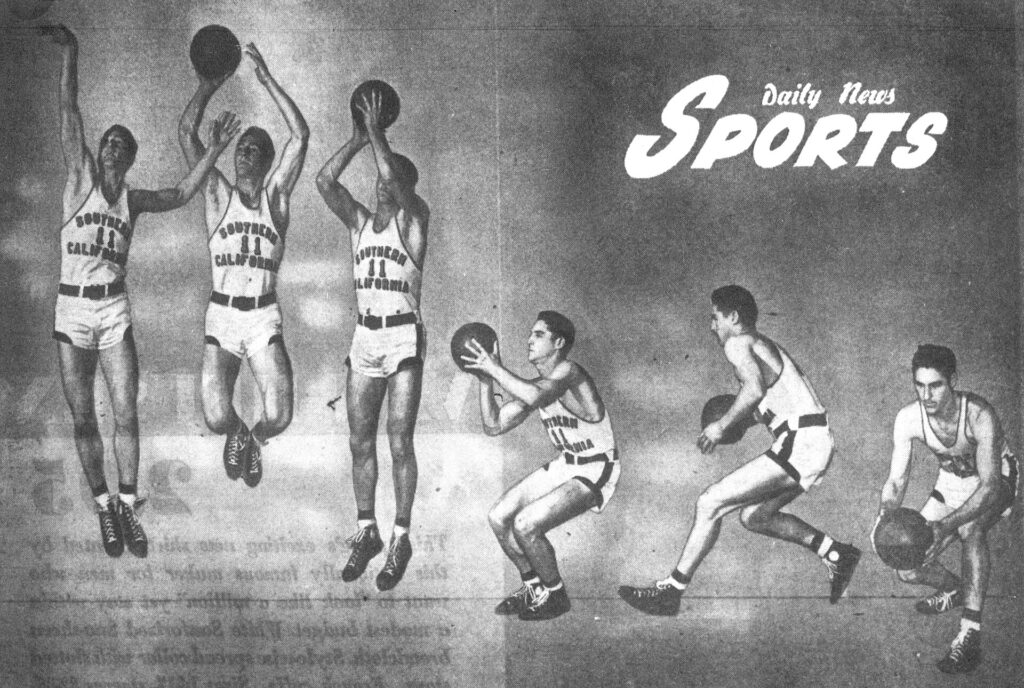
How to Shoot a Jump Shot
A jump shot looks smooth when it is done well because the important parts happen in one clean chain. The feet set the balance, the knees load the body, the shooting hand guides the ball upward, the off-hand stays quiet, and the release sends the shot on its line without unnecessary strain. When any one of those links breaks, the whole action starts to look forced. That is why good shooting is less about copying a famous player exact style and more about building a repeatable motion that works under pressure and fatigue.
Most people focus first on the release, but the shot really begins lower than that. A rushed upper body often comes from poor footwork or a bad base. If you want the jump shot to improve, start with what happens before the ball leaves your hands. A stable shot grows from the floor up.
Start by Creating a Balanced Base
Your feet do not need to be perfectly square in the old textbook sense, but they do need to put you in balance. Most good shooters are either square enough to the rim or slightly turned so their body lines up naturally with the shooting arm. The exact angle differs from player to player. What should not change is control. If your feet land too narrow, you lose strength. If they land too wide, the shot can become stiff and slow.
The key is arriving at the catch or dribble pickup with the lower body already organized. Great shooters make this look ordinary. They do not waste extra steps. They get into position early, so the shot feels like the natural next action instead of a recovery move after bad footwork. Whether you are stepping into a pass, hopping into space, or rising off one-two footwork, the goal is the same: be balanced before you try to be accurate.
Bring the Ball Up the Same Way Every Time
Consistency matters more than style points. Some players dip the ball slightly after the catch. Some bring it straight up if the defender is closing hard. Those variations are normal, but the path still needs to be clean. The ball should travel from gather to release without wandering all over the body. If the ball drifts behind your head, across your face, or far away from your shooting side, you create moving parts that become harder to repeat at game speed.
The off-hand matters here more than many beginners realize. Its job is to support the ball, not to push it. If the guide hand adds force at release, the ball often floats sideways or spins awkwardly. A reliable jump shot usually has one clear shooting hand doing the work and one quiet hand helping the ball get into position.
Leg Power Should Lift the Shot, Not Fight It
Players who struggle for range often try to solve the problem by heaving the ball with the arms. That approach creates a flat, tense shot with inconsistent touch. The better answer is to let the legs provide most of the upward force. The knees bend, the body rises smoothly, and the arms finish the job rather than trying to rescue it.
This does not mean every jumper needs a huge leap. In fact, a lot of good shooters barely seem to jump very high on routine attempts. The important point is timing. The upward movement of the body and the release of the ball should work together. If the ball comes out too early, before the rise settles, the shot can feel pushed. If it comes out too late, after the body starts falling, the shot can lose both power and control.
Release Matters More Than Speed Until a Defender Arrives
A clean release usually involves the shooting elbow staying reasonably under the ball, the wrist snapping through, and the fingers finishing towards the rim. Coaches often teach players to “reach into the cookie jar” or hold the follow-through, and while those sayings can be overused, they point toward something real: the ball should leave the hand with soft backspin and a controlled finish.
Beginners sometimes obsess over making the release as quick as possible. Quickness matters in live games, but accuracy comes first. A fast broken motion is still broken. Learn the shot in a form that is balanced and direct, then let repetition make it faster. Most strong shooters did not begin with lightning mechanics. They built clean mechanics until speed became natural.
Different Shots Need Slightly Different Footwork
A catch-and-shoot jumper, a one-dribble pull-up, and a step-back are all jump shots, but they are not identical skills. The catch-and-shoot version is usually the simplest because the body can prepare early. The ball arrives, the feet are already in place, and the rise can be efficient. That is why this is the best foundation for most players to train first.
The pull-up adds a harder challenge because the player has to slow down, gather balance, and shoot without the momentum carrying everything forward. A common mistake is leaning into the shot after the dribble, which sends the ball long or flat. The fix is not magical. It is about learning to stop under control, sink into the base, and rise vertically instead of drifting.
The step-back is harder still because it asks for separation without losing alignment. Many players love the move before they have earned the basic jumper beneath it. That is backwards. Fancy shot creation only works if the underlying mechanics remain trustworthy after the footwork gets complicated.
What Usually Goes Wrong
Misses tend to repeat patterns. Short misses often come from poor leg drive, a rushed release, or a base that is too narrow to produce enough force. Long misses can come from leaning, overusing the arms, or releasing after the body starts descending. Left and right misses often trace back to the guide hand interfering, the shoulders twisting, or the feet landing in a direction the shooter never corrected.
One of the most useful habits in shooting practice is to diagnose the miss instead of reacting emotionally to it. Do not just say “I missed.” Ask where the miss went and what body action probably caused it. A shot that keeps missing left is giving you information. A shot that comes up short every time from one spot is giving you information too. Good shooters learn to read those clues without turning every miss into panic.
Form Shooting Still Matters
Players sometimes dismiss close-range form shooting because it feels too basic. That is a mistake. Controlled repetition near the basket teaches the hand, wrist, and elbow to deliver the same motion without the distraction of distance. If your mechanics break down from eight feet, they will not magically improve from twenty feet.
A useful shooting session often begins close, where you can focus on balance and touch, then gradually extends outward while keeping the same shape. If the shot has to change completely just to reach the three-point line, the foundation is not ready yet. Range should grow from sound mechanics, not from desperation.
Practice Needs Game Rhythm Eventually
Once the form is stable, practice should stop being static. Real jump shots come after cuts, catches, dribbles, pivots, and closeouts. That means training should include movement into the shot, not only stationary repetitions. It also means practicing at realistic speed. A form that works only when everything is slow and comfortable is not finished.
There is a balance to strike here. If you rush into difficult off-the-dribble work too early, bad habits harden. If you stay forever in casual spot-up mode, the shot may never hold up in a real possession. The best progression is simple: master balance, add movement, add pressure, then add decision-making.
The Shot Should Feel Repeatable
If there is one standard that matters more than any textbook pose, it is repeatability. A good jump shot is one you can reproduce on the first attempt of practice, the fiftieth attempt, and the late-game attempt after tired legs and defensive pressure arrive. That does not mean it has to look identical to every great shooter who came before you. Players have always had slight stylistic differences. What matters is that your version remains balanced, direct, and under control.
The best way to think about the jump shot is not as a trick, but as a chain reaction that gets cleaner with discipline. Build the base, organize the ball path, let the legs help, keep the release simple, and repeat the motion until it feels trustworthy under pressure.
📚 From the Blog


Image credit: Unknown authorUnknown author / Wikimedia Commons (Public domain)