
How to Steal a Base
Stealing a base looks like a burst of speed, but the best base stealers know it begins long before the runner breaks. It starts with reading the game state, measuring the pitcher, understanding the catcher, and creating a lead that is aggressive without being reckless. It is a small tactical duel where timing beats panic and preparation beats raw athleticism more often than people realise.
Start with the Situation, Not the Highlight
A good steal attempt makes sense inside the inning. You need to know the score, the number of outs, the hitter at the plate, and the risk tolerance of the moment. Stealing second with two outs and a contact hitter up can be smart because one single may now score you. Trying the same move with a power hitter at the plate or with a three-run lead can be needless risk. The point is simple: stealing a base should improve the inning, not just prove that you can run.
Pitch count matters too. Hitters often get fastballs in predictable counts, and runners like to move when they think the batter is less likely to swing through a breaking ball in the dirt. If the hitter behind you protects well and fouls pitches off, you may get more chances to study the pitcher. If the hitter is likely to chase, your window can close quickly. Good baserunners do not separate their own decision from the plate appearance that is unfolding beside them.
Your Lead Has to Be Athletic, Not Decorative
Many runners think a bigger lead automatically makes the steal easier. It can, but only if you can still move. A lead is useful when it puts you close enough to threaten the next base while keeping your body balanced enough to react to a pickoff move. If your feet are flat, your weight is too far forward, or your first step has to be a recovery step, then the lead is cosmetic. It looks daring without actually helping you.
The best leads keep the runner low, relaxed, and ready to push. The feet are alive, the knees are soft, and the body is set up to move either back to the bag or forward into the break. Some players use a walking lead, some prefer to hold steady, but the principle does not change. You should feel like an athlete in motion, not a statue posing away from the base.
Read the Pitcher Before the Pitcher Reads You
The pitcher is the real key to stolen bases because every delivery has a rhythm. Some pitchers vary their hold well and make the runner uncomfortable. Others fall into habits. They may glance a certain number of times, lift the front shoulder the same way before committing home, or slow down noticeably when they plan a pickoff. Learning those habits is part of the craft.
At first base, runners watch for clues in the front heel, the back hip, the head, and the shoulder line. If the pitcher must step toward first to throw over, any early commitment toward the plate becomes useful information. Left-handed pitchers are more dangerous because they face the runner, but even they can be read over time. A good baserunner is not guessing blindly. He is storing small details and waiting for a pattern he trusts.
The Jump Wins More Steals Than Top Speed
People remember the sprint between the bags, but the jump is usually what decides the play. If you are late by a fraction, the catcher receives the ball with the whole field in control. If you leave on time, the throw has to be perfect. That is why elite base stealers talk so much about the first move. They are trying to steal the first six feet before the defense can organise itself.
A clean break means no false step, no hesitation, and no drifting upright too early. The first movement should be explosive and direct, with the body angled so the runner is gaining ground immediately rather than bouncing into the run.
Technique Between the Bases Matters More Than Most People Admit
Once the runner is committed, posture matters. You want acceleration without wasted movement. Choppy panic steps can make a runner feel faster while actually reducing distance covered. The head should stay steady enough to track the bag, and the arms should drive like a true sprint rather than flailing for balance.
This is another reason why timing matters so much. A runner who gets a strong jump can stay composed, run through the route, and choose the slide with control. A runner who leaves late often ends up rushing everything, including the finish. Stolen bases are won by speed, but speed expresses itself through mechanics. Efficient runners look smoother because they are not spending energy correcting themselves.
Sliding Is Part of the Steal, Not an Afterthought
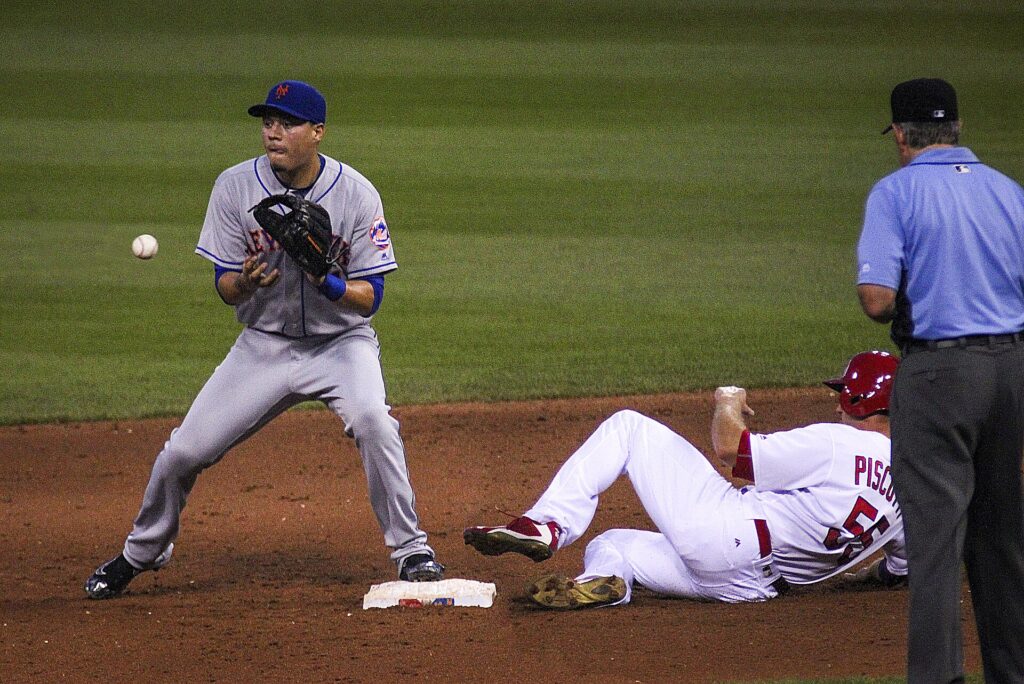
Too many players treat the slide as the final emergency instead of part of the full action. A smart slide helps a runner avoid the tag, stay attached to the base, and finish the play under control. Whether you prefer a feet-first slide, a pop-up slide, or a headfirst finish depends on coaching, rules, comfort, and the angle of the throw, but the purpose is always the same. Arrive safely while making the fielder work for the tag.
A late, clumsy slide gives the infielder an easy target. A well-timed one changes the picture. The runner can hook the front edge of the bag, slide slightly to one side of the glove, or come through in a way that keeps the body flexible if the throw pulls the fielder across the base path. Even at high levels, small improvements in the finish turn close outs into safe calls.
The Catcher Matters, but Not Always in the Obvious Way
Runners naturally fear strong throwing catchers, but arm strength alone does not tell the whole story. What matters is the total exchange: how quickly the catcher receives the pitch, transfers the ball, gets the feet in line, and delivers an accurate throw. A catcher with a huge arm but a slow transfer can still be run on. A catcher with a modest arm but exceptional footwork may erase runners who think they have an easy chance.
Good Base Stealers Are Selective, Not Hyperactive
One of the easiest ways to misunderstand baserunning is to think aggression means constant motion. It does not. The smartest runners are often patient because they know a failed steal drains an inning. They wait for pitchers with slow times to the plate. They notice when a pitcher has stopped varying holds. They pick moments when the defense looks casual, when the middle infielder cheats toward the hole, or when the game state rewards the extra base.
This selectiveness is why base stealing is as much judgment as bravery. You are looking for a moment when your chance of success is meaningfully above fifty-fifty. If the odds are thin, the reward rarely justifies the out. A stolen base should put pressure on the defense. A caught stealing removes pressure instantly and hands control back to the fielding team.
How Players Usually Get Themselves Thrown Out
Most failed attempts come from familiar mistakes. The runner guesses instead of reading. The lead is too long to recover from a throw over. The break is late because the runner wants absolute certainty. The body rises too soon, turning acceleration into a reach for speed that never fully arrives. Or the runner slides straight into the tag because the finish was never planned.
Notice that only one of those mistakes is pure speed. The rest are decision-making and technique. That should be encouraging for any player trying to improve. You do not need to become the fastest athlete in the league to steal more bases. You need cleaner details and better choices.
Wrapping Up
Stealing a base is not about running wild. It is about choosing the right moment, building a usable lead, reading the pitcher, exploding on the first move, and finishing the play with a controlled slide. Speed helps, but timing and clarity help more than most players expect. That is why the best base stealers look calm. They are not hoping the play works out. They have already done most of the work before the pitcher ever releases the ball.
📚 From the Blog



Image credit: Johnmaxmena / Wikimedia Commons (CC BY-SA 4.0)