
What Does the Triple Threat Position Mean in Basketball?
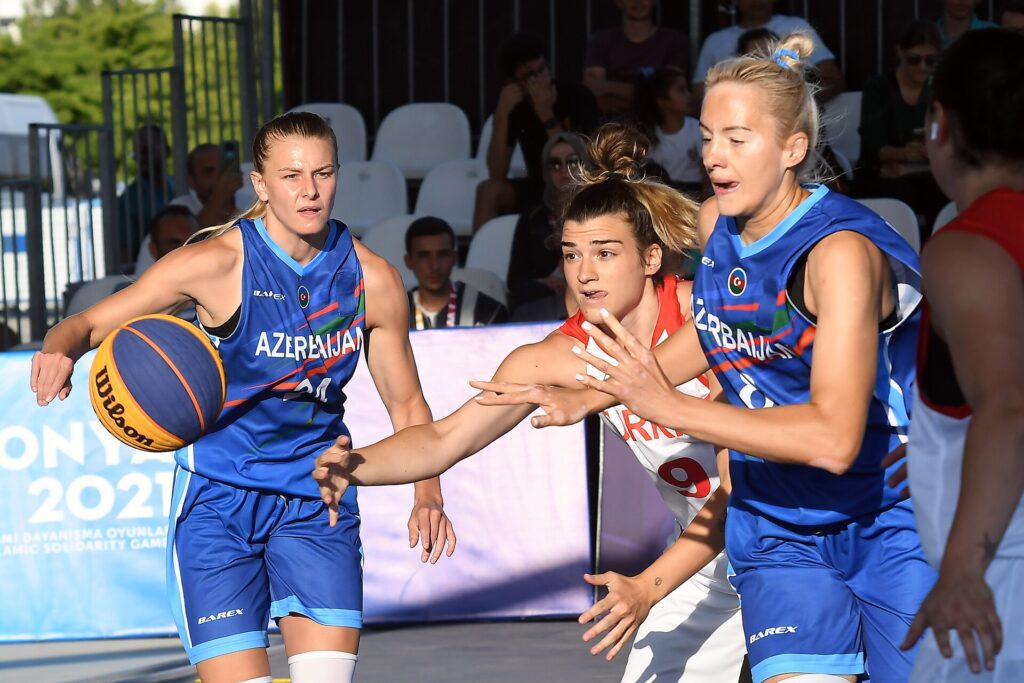
The triple threat position in basketball is a stance that puts an offensive player in position to shoot, pass, or dribble from the same starting look. That is why it is called triple threat. The defender has to respect three options at once, and that uncertainty is the entire point. A player who catches the ball and settles into triple threat is telling the defense that the possession is still alive in several directions.
For beginners, the term can sound grander than it really is. It is not a secret move and it is not a trick play. It is a disciplined way of catching the ball so you stay balanced, protected, and ready to attack. Coaches teach it early because it turns a passive catch into an active decision point. Instead of receiving the ball and freezing, the player receives it already prepared to do something useful.
What the Stance Looks Like
A strong triple threat stance usually starts with bent knees, a wide enough base for balance, the ball held securely near the shooting pocket or hip, and the eyes up. The player is low enough to explode but not so low that movement becomes stiff. One foot may be slightly advanced depending on the catch angle and the player’s dominant hand, but the key idea is stability with freedom.
The ball position matters too. If the ball is too exposed, the defender can swipe at it. If it is held too high or too tight without rhythm, the player delays the next move. Good players look relaxed in triple threat because nothing about the stance locks them into one decision. They can rise into a jumper, snap a pass, or attack the front foot of the defender without a dramatic reset.
Why It Matters So Much
Triple threat matters because offense becomes predictable the moment one option disappears. If a defender knows you will not shoot, he can sag. If he knows you rarely drive, he can crowd the passing lane. If he knows you are picking up the dribble mindset before you even start, he can pressure you into mistakes. Triple threat preserves ambiguity, and ambiguity is precious in basketball.
Even when the player does not end up using all three choices, the fact that they are available shapes the defense. A decent shooter in triple threat forces a closer contest. A quick driver in triple threat makes the defender protect the first step. A smart passer in triple threat makes weak-side defenders hesitate before overhelping. The stance itself does not score points, but it creates the conditions that make good offense easier.
The Shot Option Changes Everything
The most powerful part of the triple threat is often the possibility of the shot. Defenders react most urgently to the risk that the ball could go up immediately. If they believe the jumper is real, their stance tightens, their feet become more active, and their hand position changes. That response can open the other two threats. A convincing shot fake works only because the original shooting threat carried credibility.
This is why coaches emphasize ready hands and shooting balance on the catch. A player who needs extra time to organize the ball is not fully in triple threat, no matter how low the stance looks. The defense can feel the delay. Real pressure comes when the catch-to-shot action is compact enough that the defender must respect it instantly.
The Pass Is Not the Boring Option
Young players sometimes treat triple threat as a scoring setup, but the pass is a major reason the stance exists. When the ball is caught in balance with the eyes up, the player can see cutters, help defenders, and skip-pass opportunities before the defense settles. The stance gives the passer flexibility because it does not announce the passing lane too early.
A rushed catch often leads to a telegraphed pass. Triple threat slows the mind without slowing the body. The player is composed enough to read but live enough to deliver. This matters especially on the wing and high post, where one calm catch can open a drive-and-kick chain or a backdoor cut that was invisible a second earlier.
The Dribble Threat Depends on the Defender’s Feet
The dribble option in triple threat is less about pounding the ball and more about attacking the defender’s shape. If the defender crowds too tightly, one hard first step may be enough. If the defender gives too much cushion, a jab step can test the reaction before the dribble even begins. The stance works because it lets the offensive player collect information before committing.
This is where the best scorers separate themselves. They do not dribble just because dribbling is available. They read the top foot, the weight distribution, the reach of the hands, and the help position behind the play. Triple threat is not merely physical readiness. It is a posture of patience that allows the next action to be chosen intelligently.
The Jab Step and Shot Fake Belong Here
Two of the most common tools used from triple threat are the jab step and the shot fake. The jab step is a quick threat with the lead foot designed to move the defender or at least reveal how he wants to guard you. The shot fake sells the upward motion of the jumper to create driving or passing space. Neither works well if the original stance is poor.
That is why disciplined footwork matters. A lazy jab step that overextends balance can ruin the drive before it starts. A fake with no real shooting mechanics behind it fools nobody. Triple threat is powerful because small details inside it are believable. The defender is reacting to possibility, not theater.
Common Mistakes in Triple Threat
The biggest mistake is becoming static. Some players hear “triple threat” and think the goal is simply to hold the pose. But the stance is a launch point, not a statue. If you hold the ball too long without reading or threatening anything, the defender regains control. Another mistake is dropping the eyes. The moment the player looks down at the ball, one third of the threat disappears and the rest becomes easier to predict.
Players also get into trouble when they catch upright, wide open to pressure, or with no plan for the pivot foot. Triple threat is not only about the hands and shoulders. The feet determine whether the player can attack efficiently or travel trying to escape a bad catch. A clean catch creates a clean threat.
Why Coaches Teach It So Early
Triple threat is one of those basic skills that keeps paying off as the game gets faster. At youth level it teaches balance, confidence, and decision-making. At advanced levels it blends naturally into half-court offense, isolation scoring, post feeds, and drive-and-kick basketball. The shape changes slightly from player to player, but the principle survives every system: catch ready, keep options open, force the defense to guard more than one answer.
It also encourages better habits than panic dribbling. Many beginners catch the ball and instantly put it on the floor without seeing what the defense has offered them. Triple threat teaches the opposite rhythm. Catch first. Read second. Attack third. That order alone can make a player look calmer and smarter.
The Meaning in Real Basketball Terms
So what does the triple threat position mean in basketball? It means an offensive stance that prepares a player to shoot, pass, or dribble from one balanced catch. More importantly, it means keeping the defense uncertain. The position creates pressure because the defender must honor several possibilities without knowing which one is coming.
In practical terms, triple threat is less about posing and more about readiness. If the knees are bent, the eyes are up, the ball is protected, and all three options are genuinely available, the defense has a real problem to solve. That is why the concept stays important at every level of the game. Simple as it looks, it is one of basketball’s cleanest ways to turn a catch into an advantage.
📚 From the Blog
Image credit: Astro medya Org. Ltd. ŞTİ. / Wikimedia Commons (CC BY 2.0)