
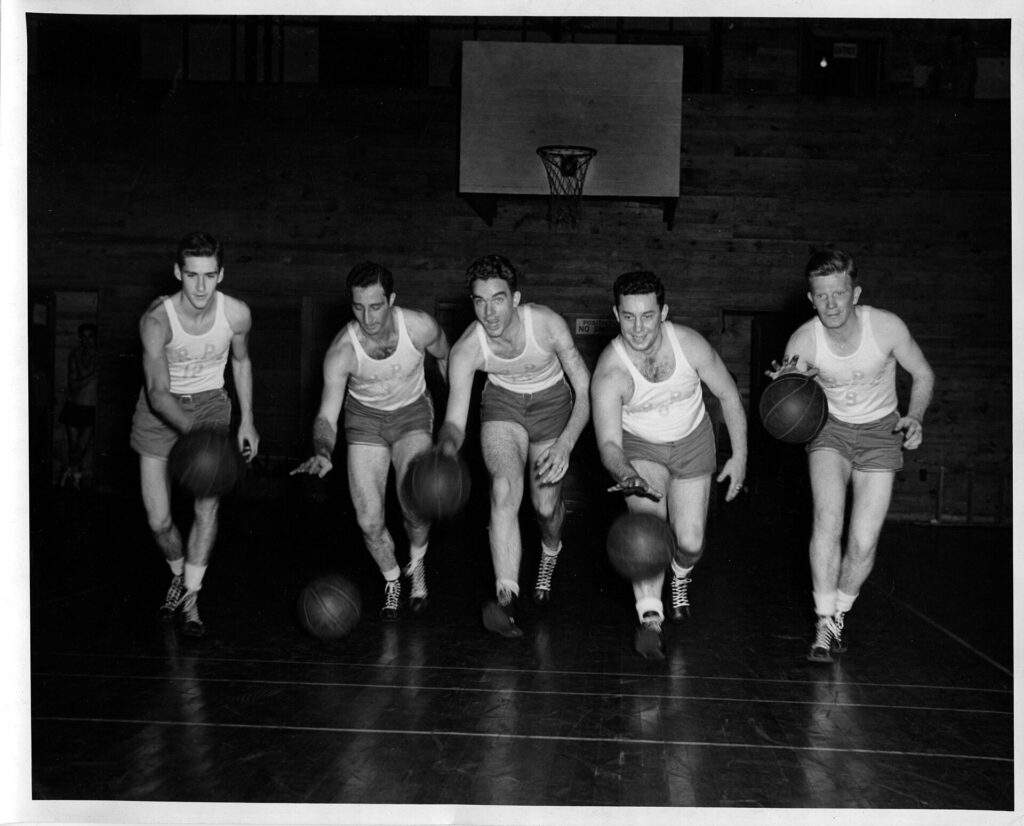
How to Do a Crossover Dribble
The crossover dribble is one of the most recognizable moves in basketball because it turns a basic idea into something dramatic. The player sells movement in one direction, then quickly switches the ball to the other hand and attacks the new lane before the defender can recover. At its best, the move is not just flashy ball-handling. It is timing, balance, and deception packed into one change of direction.
That matters because many players learn the crossover backward. They think of it as a trick to embarrass defenders, so they focus on speed alone. In reality, the move works because the defender believes the first story you tell. If the fake is weak, the dribble is just a ball transfer. If the fake is convincing, the same ball transfer becomes separation.
Sell the First Step Before You Change Hands
A good crossover starts before the ball crosses over. The first job is to make the defender react to the initial drive threat. That usually means lowering the shoulders slightly, leaning with intent, and taking a believable first step. The goal is not to run wildly at the defender. It is to make them shift weight or slide their hips in the direction you want them to protect.
If the defender stays balanced and never bites, the move loses most of its power. That is why good ball-handlers are patient enough to set it up. They use rhythm, eye level, and pace to make the first attack feel real. The crossover punishes a defender who commits too early, but it only gets that reaction if the setup is honest enough to demand respect.
Keep the Ball Low and Tight
The actual transfer should stay low to the ground and close to the body. A high crossover hangs in space too long, giving the defender time to poke at the ball or recover to the driving lane. A wide crossover can look dramatic in a workout, but in a live game it often exposes the dribble to help defenders. The sharper version is compact. The ball changes sides with speed, but without floating away from the player control.
Low dribbles are not just about style. They are practical. The lower the bounce, the quicker the ball returns to the hand. That shortens the vulnerable moment when nobody is controlling it. Players with great crossovers understand this instinctively. The ball barely leaves the zone where they can protect it.
Your Feet Create the Real Separation
People see the hand speed first, but the feet often do the more important work. Once the ball crosses, the body has to explode in the new direction immediately. If the dribble changes hands but the feet stay slow, the defender has time to recover and square up again. The move becomes cosmetic instead of useful.
That is why balance matters so much. You have to be low enough to push off hard without stumbling and controlled enough that the change of direction does not throw your torso off line. Great crossovers look sudden because the player is loaded to move the instant the ball changes sides.
Rhythm Is More Dangerous Than Constant Speed
One of the easiest ways to make a crossover predictable is to do everything at top speed. Defenders get more comfortable when the dribbler plays one tempo all the time. The better approach is to change rhythm. Slow into the setup, then burst. Glide once, then snap the dribble across. Pause just enough to freeze the defender, then go.
That rhythm change is often what actually creates the mistake. The crossover is the visible action, but the pace shift is what pulls the defender out of balance. When people describe a player as having the defender on skates, they are usually talking about tempo as much as ball-handling.
Use the Off-Hand and Shoulder to Protect the Ball
The crossover is not only a dribble move; it is also a body-control move. As you switch hands, the off-hand and shoulder help shield the ball from reach-ins. This does not mean flinging the elbow or pushing off illegally. It means understanding where the defender is and placing your body between them and the dribble path.
Smaller guards survive with this skill constantly. They know that even a quick move can fail if the ball stays exposed. By turning the shoulder slightly and keeping the dribble tight, they force the defender to go through the body line to reach the ball, and that extra layer of protection is often enough to complete the move cleanly.
Read the Defender Before Deciding Which Crossover to Use
Not every defender should be attacked the same way. A defender sitting too upright may be vulnerable to a hard crossover and burst. A defender already shading one side may be easier to beat with a smaller setup and quicker transfer. Against a long, patient defender, the best move may be less about trying to drop them and more about creating just enough angle to get into a pull-up jumper or a passing window.
This is why advanced ball-handlers do not treat the crossover like a button they press. They read the stance first. Are the feet parallel or staggered? Is the defender reaching? Are they opening the hips too early? The answers tell you whether the move should be sharp, delayed, inside-out, or perhaps not used at all on that possession.
Common Mistakes Beginners Make
The first common mistake is dribbling too high. The second is crossing too far in front of the body, where the ball hangs exposed. The third is failing to sell the initial drive, which makes the move obvious. The fourth is admiring the move instead of attacking after it. A crossover only matters if it leads somewhere.
Another frequent mistake is practicing the move in place over and over without learning how it fits into live movement. Stationary reps can help with hand comfort, but real defenders care about angle, body position, and pace. A player who can cross in a drill but cannot beat anybody in space usually has a footwork or timing problem, not just a dribbling problem.
Practice the Move in Layers
A useful practice progression starts simple. First, learn to pound the ball comfortably with both hands at a low height. Then practice clean crossovers in place without lifting the body too high. After that, add a forward step before the crossover, then a burst out of it. Only later should the move be tested with a live defender or in tighter traffic.
This layered approach matters because it builds the move in the order you actually need it. Control comes first, then transfer speed, then body deception, then game application. Players who skip directly to the flashy version often end up with a crossover that looks exciting in an empty gym and unreliable in a real possession.
The Move Does Not Need to Break Ankles to Be Effective
Basketball culture loves the highlight where the defender falls over, but that is not the real standard. A useful crossover may create only half a step, and half a step is often enough. It can open a driving lane, force help rotation, create a pull-up, or shift a defender just enough to unlock the next pass. If you chase embarrassment more than advantage, you start using the move for the wrong reason.
The best handlers understand that separation comes in different sizes. Sometimes the win is dramatic. More often it is subtle. The defender leans, the hips turn, the path opens, and that is all the offense needs.
How the Crossover Fits into Real Offense
The crossover is strongest when it lives inside a larger scoring or playmaking threat. If the defender knows you cannot shoot, cannot finish, or will not pass, they recover more comfortably. But if you can attack the rim, pull up, or hit the next teammate, the defender has more to fear and the crossover becomes harder to contain.
What a Good Crossover Really Looks Like
A good crossover is believable before it is beautiful. The initial threat draws a reaction, the ball changes hands low and fast, the feet explode in the new direction, and the body protects the dribble all the way into the next action. If those parts are there, the move works even when it does not become a highlight clip.
That is the real lesson behind the crossover dribble. It is not a party trick. It is a practical way to create space by changing the defender balance before they can recover. Learn the setup, keep the ball tight, use your feet, and attack the opening immediately. Do that consistently, and the move starts functioning the way it does for real players in real games.
📚 From the Blog


Image credit: War Department. Army Service Forces. Office of the Chief of Transportation. 3/12 / Wikimedia Commons (Public domain)