
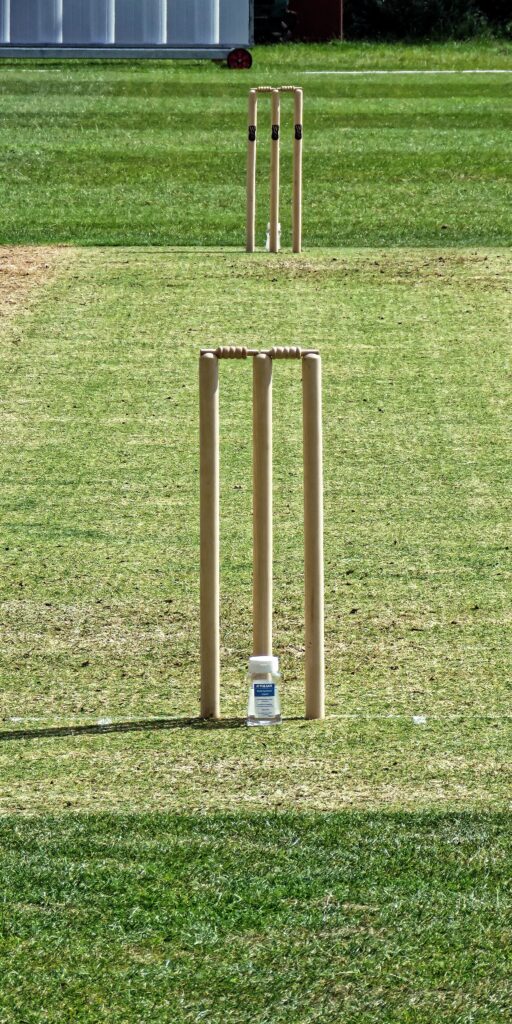
LBW Is One of Cricket’s Most Important and Most Misunderstood Decisions
LBW stands for leg before wicket. It describes a way a batter can be out if the ball would have gone on to hit the stumps but is blocked by the batter’s body instead, usually the pad. That definition is simple enough to remember, but the actual decision is more detailed than many casual viewers realize. Umpires do not give LBW just because the ball hits the pad and the fielding side appeals loudly. They have to work through a sequence of conditions about line, impact, and likely path.
This is why LBW creates so much discussion. It sits right at the point where the laws of the game, the skill of the bowler, the movement of the batter, and the umpire’s judgment all collide. A fast bowler can trap a batter on the crease. A spinner can beat the inside edge with drift and turn. A batter can misread length by a fraction and suddenly be in danger. When LBW is understood properly, it feels less like a mystery rule and more like a logical protection of the stumps.
The Core Idea Is That Pads Cannot Be Used as a Substitute for the Bat
Cricket allows the batter to defend the wicket with the bat, but not to treat the body as a permanent shield when the ball is otherwise on course to hit the stumps. Without LBW, a player could simply plant the front pad in line and survive balls that should be getting wickets. The law exists to stop that kind of negative play and to reward accurate bowling.
That does not mean every strike on the pad is suspicious. The umpire is effectively asking a chain of questions: where did the ball pitch, did it hit the bat first, where did it strike the batter, and would it have hit the stumps? Only when those answers line up does an LBW decision become correct.
The Ball’s Line Matters Before the Impact Even Happens
One of the first checks in an LBW decision is where the ball pitched. If it pitches outside leg stump, the batter cannot be out LBW. That rule is important because it stops bowlers from abusing an angle that would otherwise make leg-side trapping too easy. If the ball pitches in line with the stumps or outside off stump, the decision can still move forward. But outside leg ends the discussion immediately.
That detail explains why fielders appeal for some pad strikes with much more confidence than others. A ball that begins outside off and nips back is often alive in the umpire’s mind. A ball that slides down from outside leg may sound promising in real time, but the law is clear. Even if it eventually looks dangerous, the original pitching line has already removed LBW from the table.
Impact Is Where So Many Appeals Rise or Fall
After pitch line, the umpire considers where the ball struck the batter. If the ball hits outside the line of off stump while the batter is offering a genuine shot, that usually protects the batter. In other words, a player trying to play the ball is given some benefit if the impact is outside off. If the batter is not offering a shot, that protection disappears, which is why batters who leave the bat hanging back can get into trouble.
This distinction matters because it balances attack and defense. Cricket does not want to punish a player unfairly for missing a stroke by a narrow margin outside off stump while attempting proper batting. But it also does not want players using their pads passively to avoid playing at the ball. The law is trying to reward intent without inviting abuse.
The Final Question Is Whether the Ball Would Have Hit the Stumps
Even if the pitch line and impact line work for the bowling side, the umpire still has to decide whether the ball would have gone on to hit the wicket. That is where pace, seam, swing, and spin become so important. A straight full ball striking in front is often the easiest case. A turning delivery from a spinner may be harder to judge because the umpire must imagine the path after impact. A ball rising sharply over the top of the stumps also changes everything.
This is why you sometimes hear players say a delivery was missing leg, going over, or clipping the top. Those phrases are really shorthand for the final stage of the LBW test. The bowling side has not truly won the appeal unless the ball’s projected path remains threatening all the way to the wicket.
Inside Edge Changes the Entire Decision
Another major reason LBW appeals fail is that the ball may have touched the bat first. If there is an inside edge before the impact on the pad, the batter cannot be out LBW from that delivery. This is one reason the shout from the wicketkeeper and slip cordon can be so animated. Fielders may be convinced there was no bat involved, while the batter feels a faint edge and stands ground immediately.
If the bat got there first, the whole LBW case collapses.
LBW Is a Huge Weapon for Both Fast Bowlers and Spinners
Fast bowlers attack LBW by hitting the right length and straightening the ball into the batter. A delivery that tails in late can trap a player who is a fraction slow with the front foot. Bowlers who keep a disciplined line at the stumps force the batter to make a decision every ball. Miss once, and the appeal is live.
Spinners approach the dismissal differently. They use drift, dip, and turn to make the batter misjudge where the ball will finish. The best spinners do not just aim at the pads. They make the batter uncertain enough that the front pad and bat separate. Once that gap appears, LBW becomes a serious threat.
DRS Has Made the Conversation More Precise, Not Less Controversial
The Decision Review System has changed how people talk about LBW because now there is often a replay-based estimate of pitching, impact, edge, and ball tracking. That has reduced some obvious mistakes, but it has not removed debate. Viewers still argue about umpire’s call, marginal clipping, and whether technology should overturn decisions that are extremely close.
Even so, DRS has helped many fans understand the logic of LBW more clearly. Broadcast graphics show that the decision is not random. It is a sequence. Did it pitch legally for LBW? Did it hit the pad without a prior edge? Was the impact in a legal zone for the batter’s action? Was it going on to hit? Once you see those layers repeatedly, the law starts making much more sense.
The Best Way to Read LBW Is to Follow the Questions in Order
When a big appeal goes up, casual viewers often jump straight to the last question and ask whether the ball was hitting. But the cleanest way to judge LBW is to go step by step. First, where did it pitch? Second, was there any bat involved? Third, where did it strike the batter and was a shot being offered? Fourth, what was the projected path? That sequence stops the law from feeling chaotic.
Once you adopt that habit, LBW becomes easier to understand and easier to explain. You can disagree with an umpire and still identify exactly which part of the chain you think went wrong. That is much more useful than treating every close shout as guesswork.
LBW Protects the Contest Between Straight Bowling and Honest Defense
At its heart, LBW exists to preserve fairness. Bowlers who beat the bat and attack the stumps deserve a route to dismiss a batter even when the ball does not physically crash into the wicket because the pad got there first. Batters, meanwhile, are protected by detailed conditions that stop the law from becoming too harsh. That balance is why LBW remains so central to the sport.
So when someone asks what LBW means in cricket, the short answer is leg before wicket. The better answer is that it is the rule that stops the body from replacing the bat when a legitimate wicket-taking ball has been blocked. Once you understand the sequence behind it, one of cricket’s most argued decisions becomes one of its most logical.
📚 From the Blog

Image credit: Acabashi / Wikimedia Commons (CC BY-SA 4.0)